

Life is full of surprises. Good things can happen, like getting a better job or a lucky break. But other times, unexpected events can put us under pressure: a medical issue, a sudden job loss, a car repair, or even a natural emergency. Having an emergency fund is vital these days, especially because the cost of living, rising prices, and job competition are getting tougher in 2026. An emergency fund doesn’t just give you money; it gives you peace, stability, and confidence.
A lot of people now live paycheck to paycheck, even those who have good jobs or steady incomes. Research suggests that over 60% of young adults have minimal savings, often less than $500. When savings are limited, unexpected costs can cause problems.
Creating an emergency fund can act as a safety net, offering financial stability when there are tough or unplanned situations.
If you’re getting started with money management, or if you’re watching your spending, don’t worry. This easy guide shows you how to build an emergency fund, no matter how much you earn.
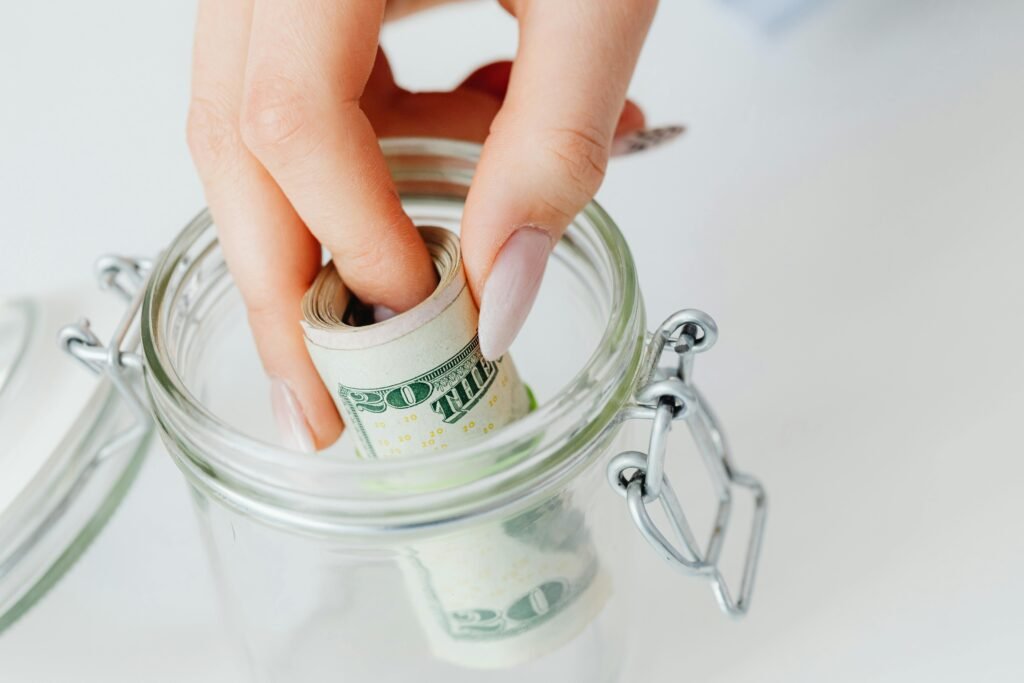
Why You Need an Emergency Fund in 2026
Before we jump into the steps, let’s understand why an emergency fund is essential.
1. Job insecurity is rising
As we are moving toward 2026, it’s clear that automation and AI are changing the job market, with many roles being automated or replaced. Companies prefer flexible workforces, which makes income unpredictable. Job loss can happen to anyone, even hard-working workers. Companies sometimes restructure, cut costs, or change their plans, which can lead to layoffs. If you have some savings set aside, you’ll have time to find a job without feeling stressed.
2. Medical emergencies are expensive
The cost of healthcare is rising across the globe. A single unexpected medical bill can break your savings. Even basic health treatments, like dental work, blood work, or scans, can cost a lot. If people don’t have savings set aside, they often get loans, ask family for money, or use credit cards, which can lead to money problems later.
3. Inflation is unpredictable
It seems that the costs of food, fuel, utilities, and rent go up frequently. It can be difficult to deal with unexpected expenses if you have limited savings. Unexpected increases in the price of everyday items can happen because of problems with the supply chain and the global economy. Now, even small, unplanned costs can be more expensive than they used to be.
4. It prevents debt
With an emergency fund, you won’t need to rely on credit cards, loans, or borrowing from friends.
5. It gives mental peace
Having savings can lower your anxiety and help you handle your finances better. Financial stress is one of the biggest causes of anxiety among young adults today. An emergency fund can provide psychological comfort, fostering a sense of stability and reducing anxiety about what might come.
How Much Should You Save in Your Emergency Fund?
You don’t have to start big. Start small and increase slowly.
Step 1: Begin with a mini emergency fund
Your first milestone should be:
- $100–$500 (or PKR 10,000–50,000)
This covers basic emergencies like
- Medicine
- Small Repairs
- Utility Bills
Achieving an initial savings goal can increase your motivation. The positive feeling from having a small amount of savings can make it easier to save more in the future.
Step 2: Aim for three months of expenses
Once you get the mini fund, here’s what to do:
- 3 months of living expenses
It helps you out if
- You lose your job
- A medical situation affects your income
- Business earnings drop
Step 3: Long-term emergency fund
Okay, here’s what we want to achieve:
- 6 months of expenses
This is the ideal amount for complete financial security. If you’re self-employed or a freelancer, try to save enough to cover 9–12 months of expenses. Your income is not fixed, so your emergency fund should be stronger.
Step-by-Step Guide: How to Build an Emergency Fund in 2026
Let’s break it into simple steps.
Step 1: Calculate Your Monthly Living Expenses
This is the foundation. You must know where your money goes.
Include:
- Food & groceries
- Utility bills
- Internet/phone
- Transportation
- Rent
- Subscriptions
- Medication
- Personal essentials
Once you know your monthly expenses, you can decide how much to save each month. To manage your monthly expenses better, you can also read my detailed guide on Save Money on a Low Income. It will help you cut unnecessary costs and free up extra money for your emergency fund. Many people don’t know how much they spend each month. Track your expenses for 30 days; you will be shocked at how much money goes into small purchases. This clarity helps you create a realistic savings plan
Step 2: Set a Realistic Monthly Saving Goal
Saving becomes easier when the goal is small and achievable.
You can start with:
- PKR 500 per week
- PKR 2000 per month
- $10 per week
- Or even the spare change from shopping
Remember, consistency matters more than the amount. Putting some money away each week is a great way to save. Even if it’s just $10, that adds up to $520 a year. You could use that for unexpected expenses.
Simple Emergency Fund Savings Plan (Based on Income Level)
| Monthly Income (USD) | Recommended Monthly Savings | Time to Build a $1,000 Mini Fund | Time to Build a 3-Month Emergency Fund |
| $1,500–$2,500 | $50–$100 | 10–20 months | 12–18 months |
| $3,000–$4,500 | $150–$250 | 4–7 months | 8–12 months |
| $5,000–$7,000 | $300–$500 | 2–4 months | 6–9 months |
| $8,000+ | $600–$1,000 | Less than 2 months | 4–6 months |
Building an emergency fund looks different for everyone, and that’s okay. What matters is starting with an amount that feels realistic for your income. Whether you save $50 or $300 a month, every step brings you closer to financial security and less stress when life gets unpredictable.
Step 3: Open a Separate Savings Account
It’s not a good idea to keep your emergency fund in the same account you use for everyday spending. You’ll probably dip into it.
Instead:
- Open a digital savings account
- Turn on automatic transfers
- Keep the account simple and easy to access
- Avoid debit cards linked to the fund
This practice helps you stay disciplined and avoid spending too much. Find a bank that offers interest on your emergency fund. This lets your money grow with minimal effort from you. Even 2–3% annually helps your money stay ahead of inflation.
Step 4: Cut Small Spending Leaks
Small expenses can upset your budget. They might look unimportant, but they accumulate and reduce your funds each month.
Common examples:
- Food delivery
- Online shopping
- Subscriptions
- Buying unnecessary gadgets
- Eating outside often
Trimming these costs by 10–15% could really add up to some decent savings each month. If you struggle with tracking expenses, these apps can help. Check out my article on Best Budgeting Apps for tools that make money management much easier. Try a “no-spend week” once a month. This easy task can help you buy less and stay more in control of your spending.
Step 5: Use AI Tools to Manage and Track Your Savings
Since your website covers AI and tech skills, this section fits perfectly. AI can make saving effortless. I’ve reviewed some helpful tools in my post Best AI Tools for Managing Money; these apps can automate tracking and give smart saving suggestions.
AI apps help you:
- Track expenses
- Set saving goals
- Receive reminders
- Manage bills
- Check out your budget stuff.
You can even link your emergency fund to your budgeting apps. Many of today’s apps use smart tech to look at how you spend and then tell you how much to save each week.This simplifies saving because it removes the guesswork.
Step 6: Save Extra Income Whenever Possible
If you want to grow your emergency fund faster, save these:
- Freelancing income
- Bonuses
- Festival gifts
- Cashbacks
- Part-time earnings
- Commission
- Leftover cash at the end of the month
Even a small side hustle can increase your emergency savings. When you get extra cash, such as a refund or a bonus from work, put at least half of it into your emergency savings. This way, you can save faster without having to change your regular spending.
Step 7: Avoid Touching the Fund Only if it’s a real emergency
An emergency fund is for:
- Job loss
- Medical emergencies
- Critical home repairs
- Urgent car issues
- Unexpected family needs
It is vital to avoid employing it in these specific ways:
- Shopping
- Vacations
- Eating out
- New gadgets
- Parties
To increase the fund’s size, it is essential to follow this rule closely.
Step 8: Refill the Fund After You Use It
If you use the emergency fund, make a plan to refill it later.
For example:
- Save 10% of your salary
- Just keep putting any extra cash into the fund until it’s back on track.
- Limit non-essential spending for a month or two
- Consistency is the key to rebuilding financial security.
Think of your emergency fund as protection. If it gets scratched, repair it quickly so it can protect you again.
Bonus Tips for Building an Emergency Fund
1. Set automatic transfers
This helps people save without feeling stressed.
2. Track every rupee/dollar
Being aware makes you more disciplined.
3. Review your expenses every 3 months
Keep your fund aligned with your living expenses as they change.
4. Use a visual progress tracker
Watching your savings increase makes you want to save even more money.
5. Celebrate small milestones
Let’s celebrate every win, no matter the size.
You can also join “savings challenges” like the 30-day saving challenge or the envelope challenge. These fun methods help build discipline and grow your fund faster.
The Peace You Get from an Emergency Fund
Building an emergency fund is not just about money; it’s about mental freedom. If you’re ready to take the next step in your financial journey, you might like my guide on Smart Investment Tips. Think about waking up without money worries. Life has its share of surprises, such as unexpected bills or the occasional need for a break. You could actually relax.
When you’re financially stable, it really can give your confidence a boost. It lets you chase after things like starting a business, switching to a new career, or even moving somewhere new. With sound finances, you can make better choices, as you won’t be held back by financial worries.
This peace is priceless.
And the best part?
You can start today. Even with a small amount. Think of your emergency fund as protection for your money. Start putting away a bit of money every week. You’ll see how much more secure you feel in 2026 and the years after.
Real-Life Example: How a rainy-day fund helped Sara avoid debt.
To make things clearer, here’s a real-life style example that readers can relate to:
Sara, a 27-year-old graphic designer from Lahore, used to live paycheck-to-paycheck. She made about $1,200 each month and often had trouble with unexpected costs. After hearing about emergency funds, she started saving about $50 each month. She did this by ordering less takeout and cutting back on things she didn’t need.
Here’s how her journey looked:
- Month 1–5 → She built a mini emergency fund of $100
- Month 6–12 → Her fund grew to $500
- Month 13–20 → She reached a total of $1,000
A few months later, her laptop suddenly stopped working; her main earning tool. Instead of taking a loan or borrowing money, she used her emergency fund to replace the damaged part.
She kept her work on track, stayed out of debt, and paid all her bills on time.
This example shows how even small, consistent savings can prevent major financial stress.